

Transforming How CDC Trains
Impact Strip
- Improved learner confidence and procedural performance through immersive simulation
- Secured funding and leadership support to move from concept to validated pilot
- Co-founded CDC’s first immersive learning capability
- Built the multidisciplinary foundation for a dedicated 12-person program
- Established the brand and operating model needed for sustained growth
Details below

Challenge
Traditional laboratory training methods—webinars, manuals, and slide-based instruction—weren't consistently translating into real-world procedural performance.
At the same time, immersive technology was beginning to show promise as a new way to build practical skills, but CDC had no precedent, funding model, or internal capability to explore it.
We faced two challenges simultaneously: prove immersive learning could improve procedural performance and build the organizational, technical, and creative foundation needed to make it sustainable.
Designing the Learning Experience
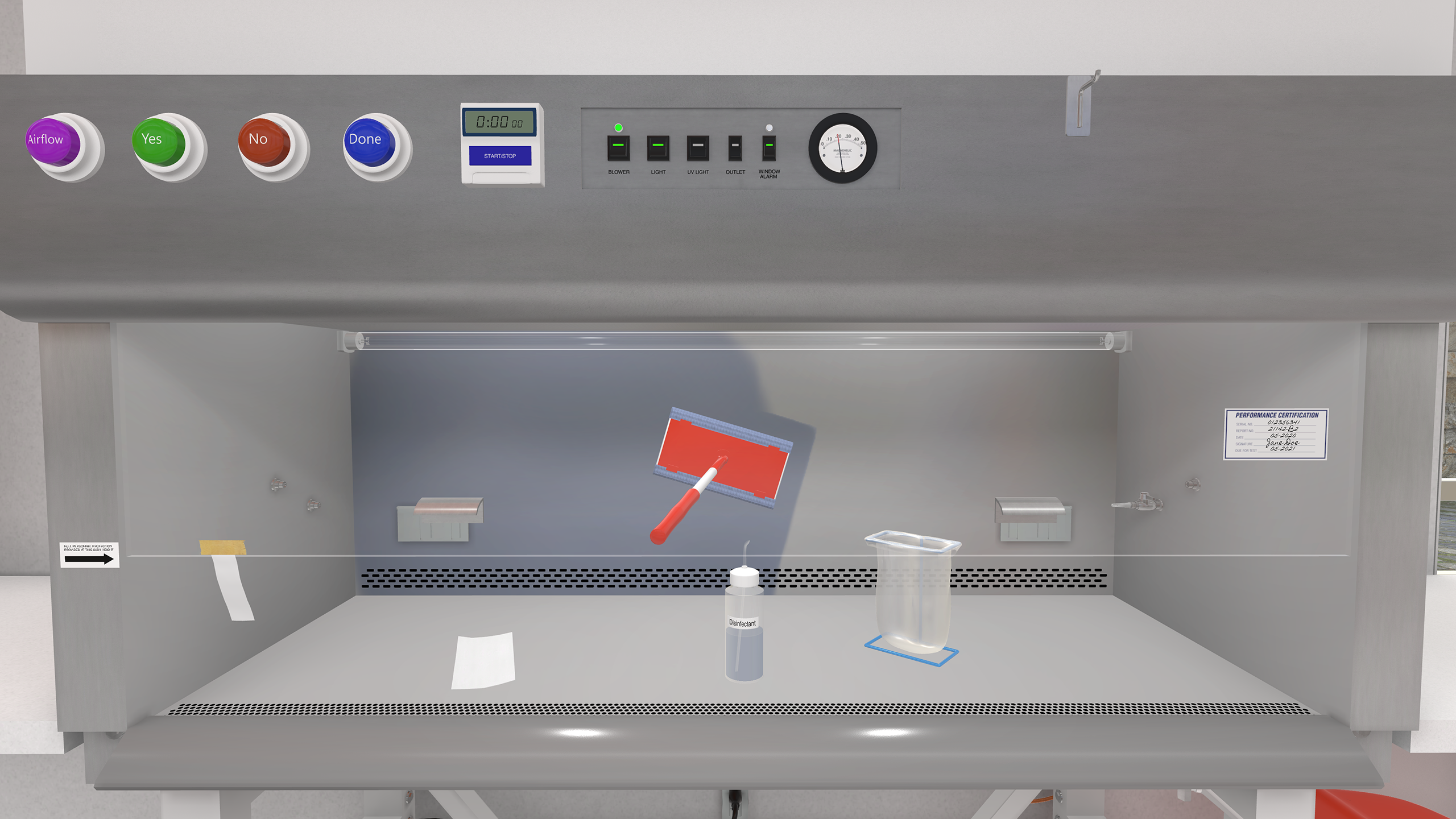
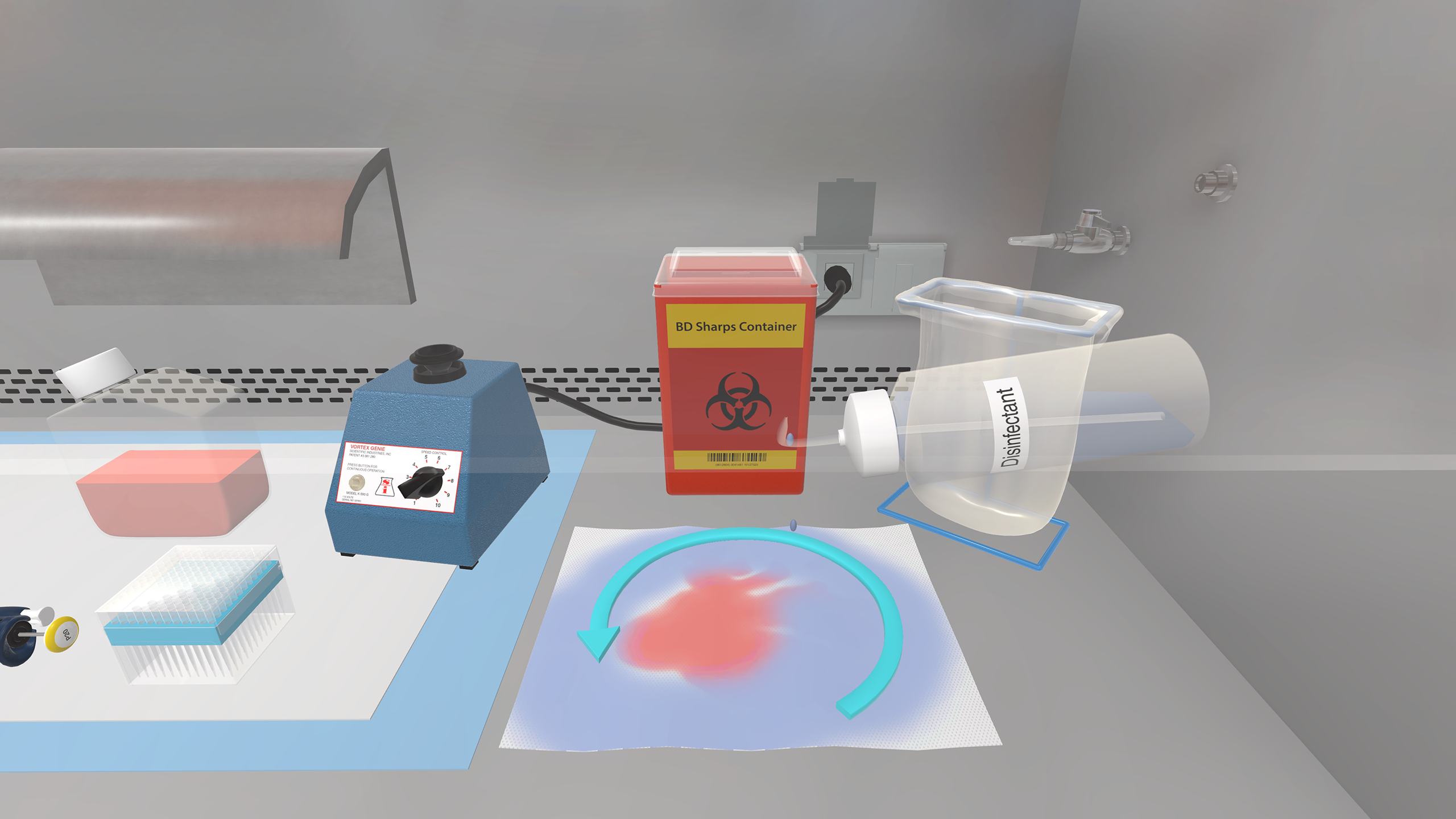
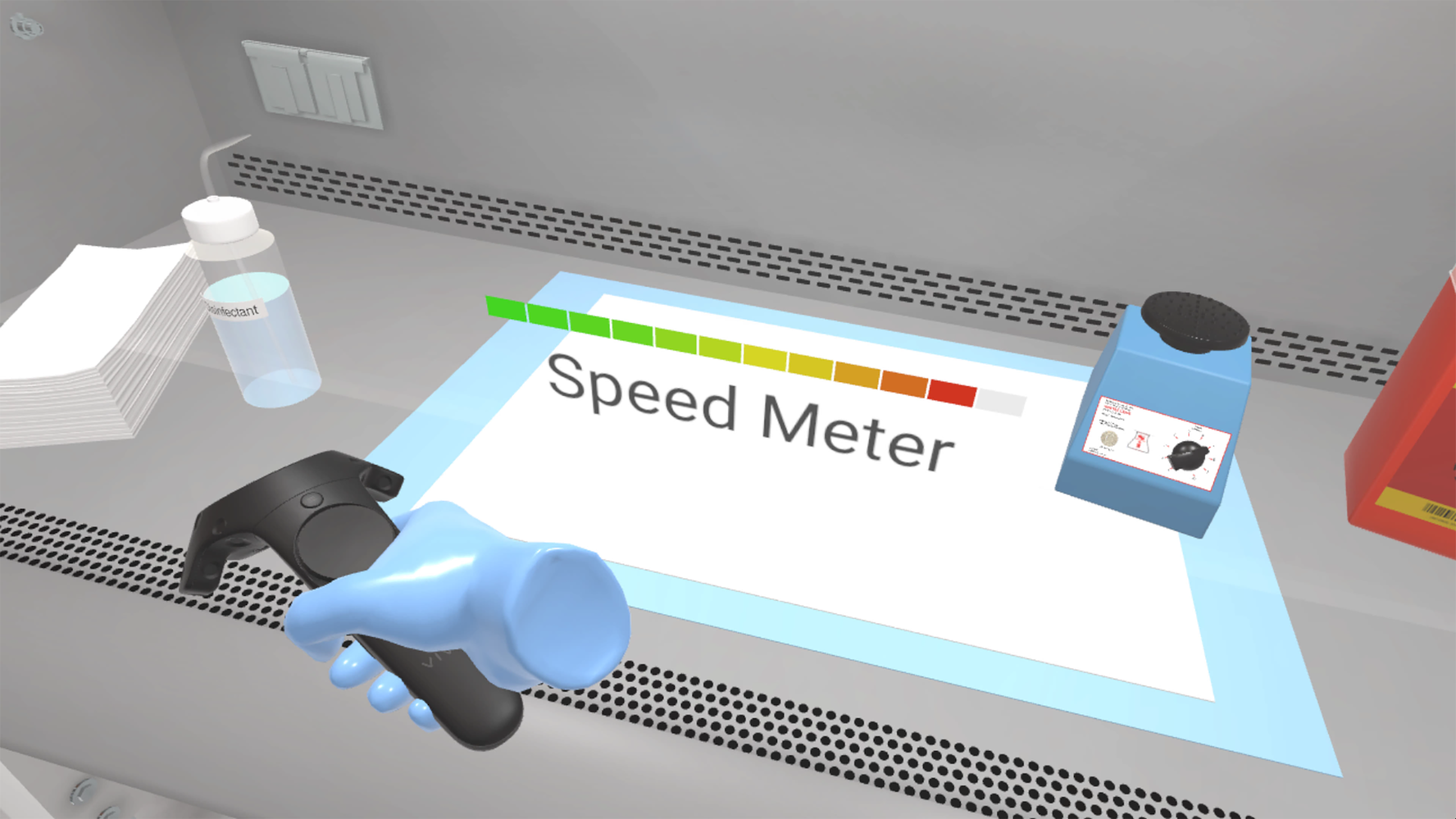
I co-led the effort to turn the training challenge into a creative and product strategy, using immersive simulation to provide the physical practice, repetition, and feedback traditional training couldn't.
We secured funding, defined the learning hypothesis, recruited specialized talent, and built a fully interactive laboratory environment where learners could safely practice procedures and receive real-time feedback.
The pilot increased learner confidence and improved procedural performance, giving leadership evidence to invest further. Additional funding and support followed, leading directly to the formation of a dedicated immersive learning team.
Building the Team
The capability didn't exist at CDC, which meant the team didn't either. We started with what we had: talented animators and 3D modelers who knew how to build complex environments. What we didn't have was a programmer who could own an immersive pipeline end to end.
We found her at Georgia Tech. There was no infrastructure for her to plug into, no precedent, and no playbook. We convinced her to come anyway.
We also knew our limits. Rigorous evaluation wasn't our expertise, and proving the approach to leadership required more than our own assessment. Bringing on a dedicated evaluator gave the pilot scientific credibility and leadership something concrete to act on.
Within a few years, that small pilot had grown into a 12-person cross-functional program with sustained funding, organizational backing, and continued expansion.
Scaling the Capability
As the program moved from experimental pilot to sustained investment, it needed an identity that could establish credibility while remaining connected to CDC.
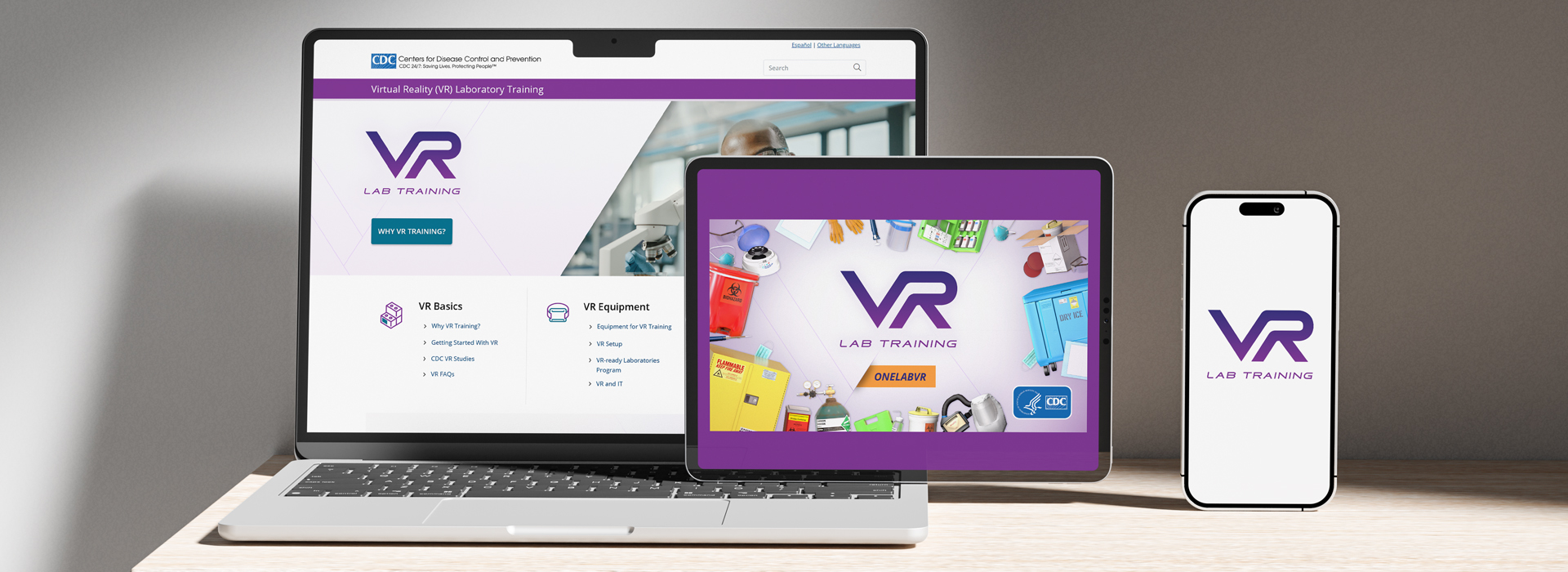
I led development of a flexible sub-brand spanning identity, typography, motion, UI, web, and Meta Quest experiences. The system strengthened consistency and helped position immersive learning as a long-term organizational capability rather than an isolated experiment.
Impact
What began as an effort to solve a specific training problem became the foundation for CDC’s immersive learning program. We connected a clear organizational need to an emerging technology, proved the approach through measurable outcomes, and built the team, operating model, and brand system required to sustain it.
The result was more than a successful pilot: it became a lasting creative and learning capability that continued to expand into initiatives like OneLabVR.
 PREV
PREV
