

Building CDC’s Immersive Learning Platform
Impact Strip
- Co-founded CDC's immersive learning capability
- Secured funding and built capability from concept to launch
- Demonstrated improved learner confidence and procedural accuracy
- Led to formation of a 12-person immersive learning team
- Developed a sub-brand identity system to support scale and adoption
- Recruited first-ever VR programmer into a role with no infrastructure, no precedent, and no playbook
Details below

Challenge
Traditional laboratory training methods—webinars, manuals, and slide-based instruction—were not consistently translating into real-world procedural performance.
At the same time, immersive simulation was emerging as a potential solution, but CDC had no precedent, funding model, or internal capability to support it.
The challenge was twofold: prove immersive training could improve skill transfer, and establish the organizational, technical, and design foundation required to scale it as a long-term capability.
Proving the Model
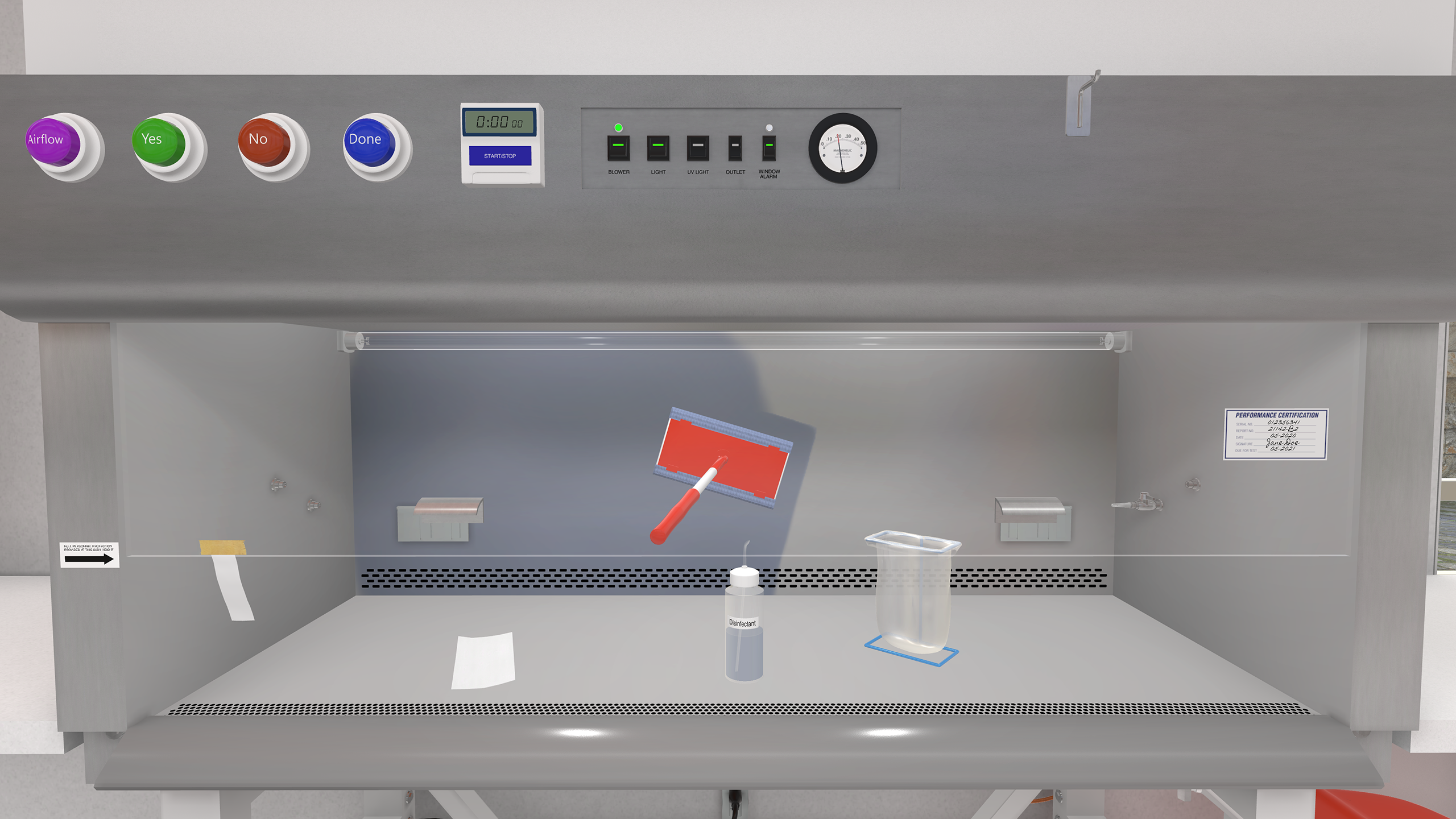
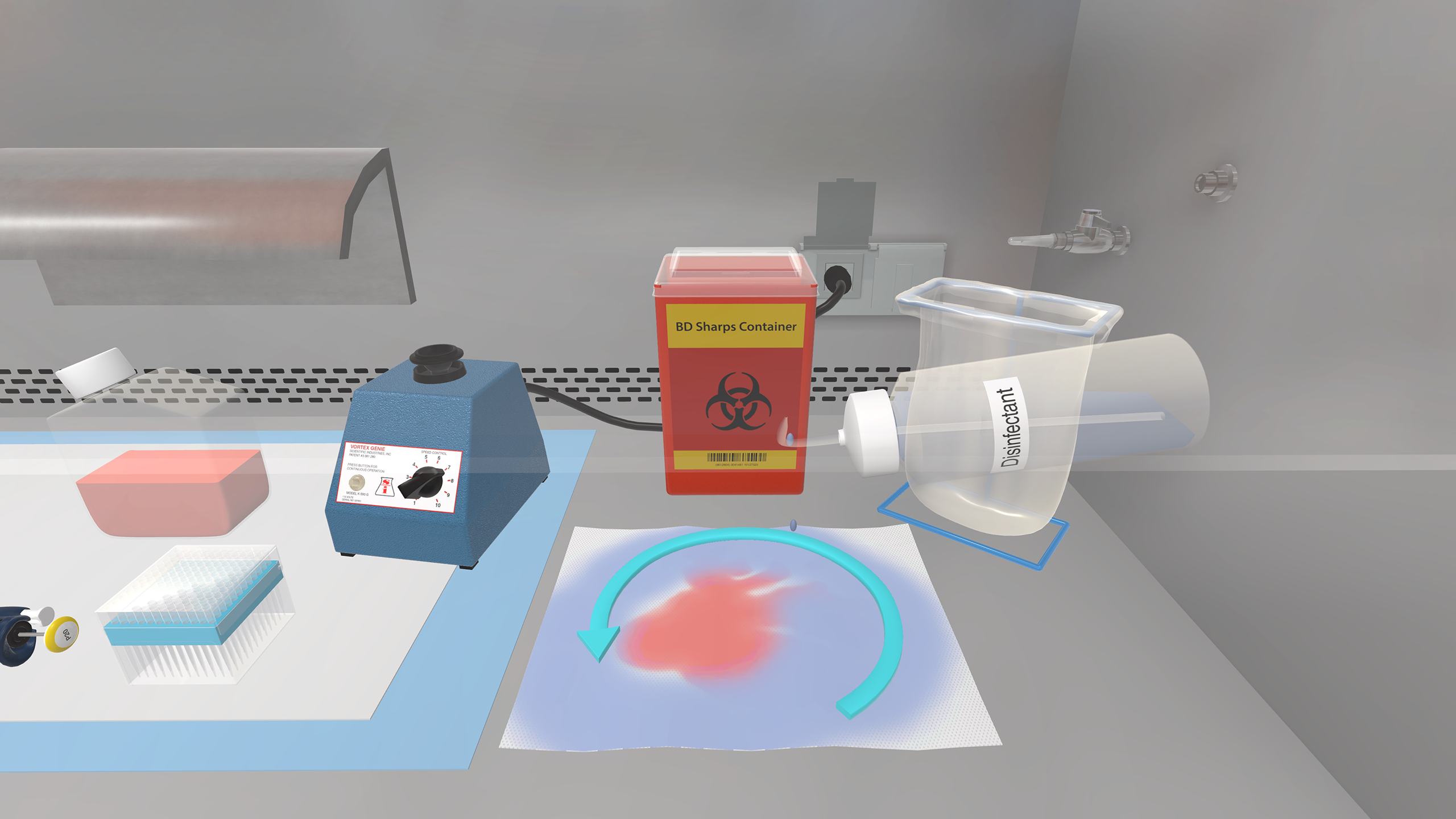
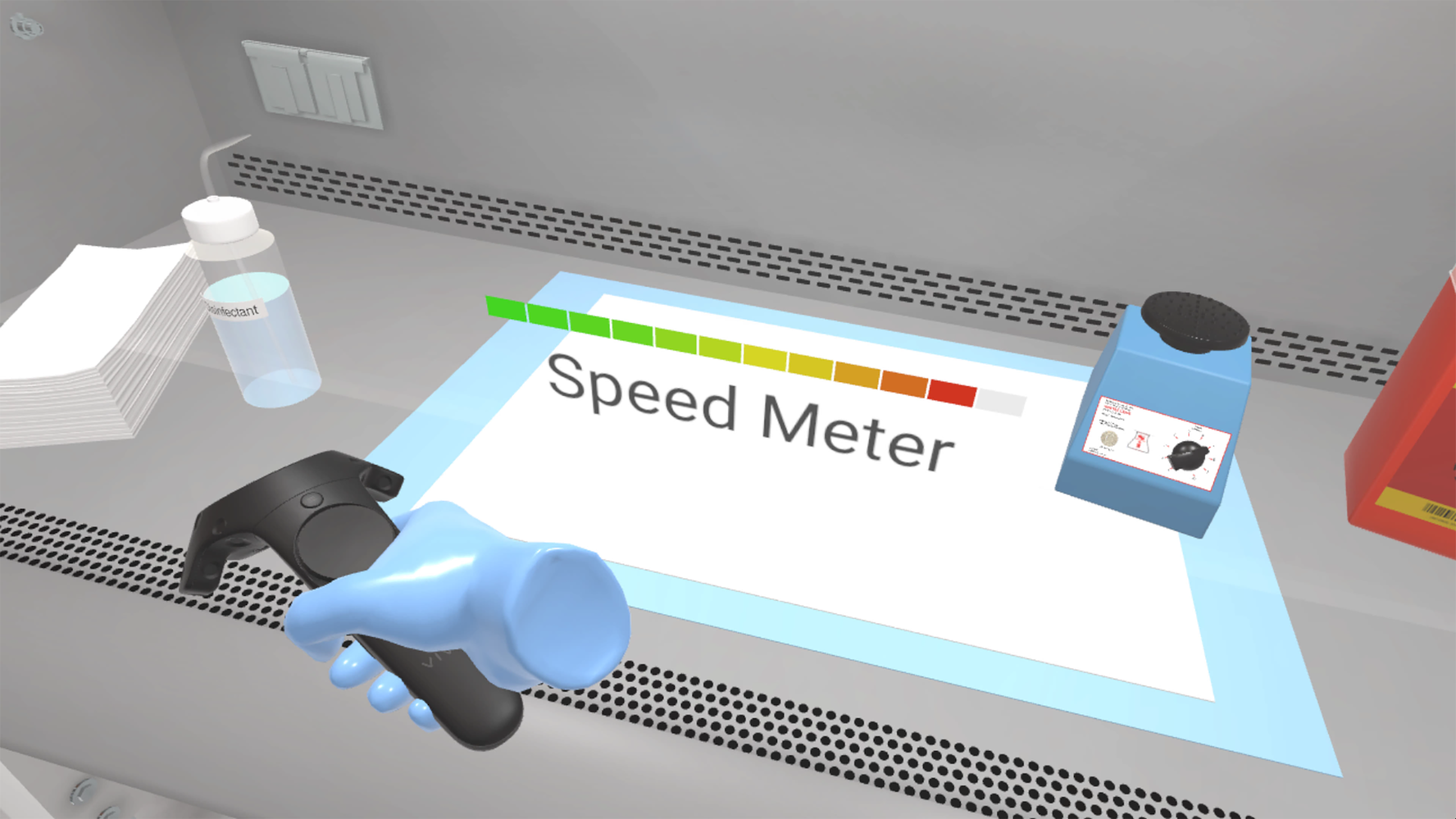
I co-led CDC’s first immersive VR training pilot, transforming biosafety cabinet instruction into a fully interactive simulation designed to improve procedural accuracy.
The initiative required securing funding, defining the learning hypothesis, and building the capability from the ground up. We recruited specialized talent, established the technical approach, and developed a fully interactive lab environment with real-time feedback and retry mechanics.
Pilot results demonstrated increased learner confidence and improved procedural accuracy, validating immersive simulation as a viable training modality.
This success secured additional funding, expanded leadership support, and led directly to the formation of a dedicated immersive learning team.
Building the Team
The capability didn't exist at CDC, which meant the team didn't either. I started with what we had — a sophisticated creative group that included animators and 3D modelers who understood how to build complex environments. The pipeline to VR was a leap, but the foundation was there. What we didn't have was a programmer.
Hiring into a federal environment for a discipline that barely existed in training contexts yet was its own challenge. Most programmers coming out of game studios were highly specialized — built for one piece of a pipeline, not the whole thing. We needed someone who could own the full process end to end. We found her at Georgia Tech. There was no infrastructure for her to plug into, no precedent, no playbook. We convinced her to come anyway.
We also knew our limits. Building rigorous evaluation wasn't our background — we could put together a basic study, but proving anything to leadership required real formality. So we brought on a dedicated evaluator. That decision turned out to be one of the most important ones we made. It gave the pilot scientific credibility and gave leadership something concrete to act on.
That was the beginning of the team. A couple of years later, what started as a wild idea with a handful of people had grown to 12 — a full cross-functional program with funding, organizational backing, and a flywheel effect that kept building.
Establishing the System
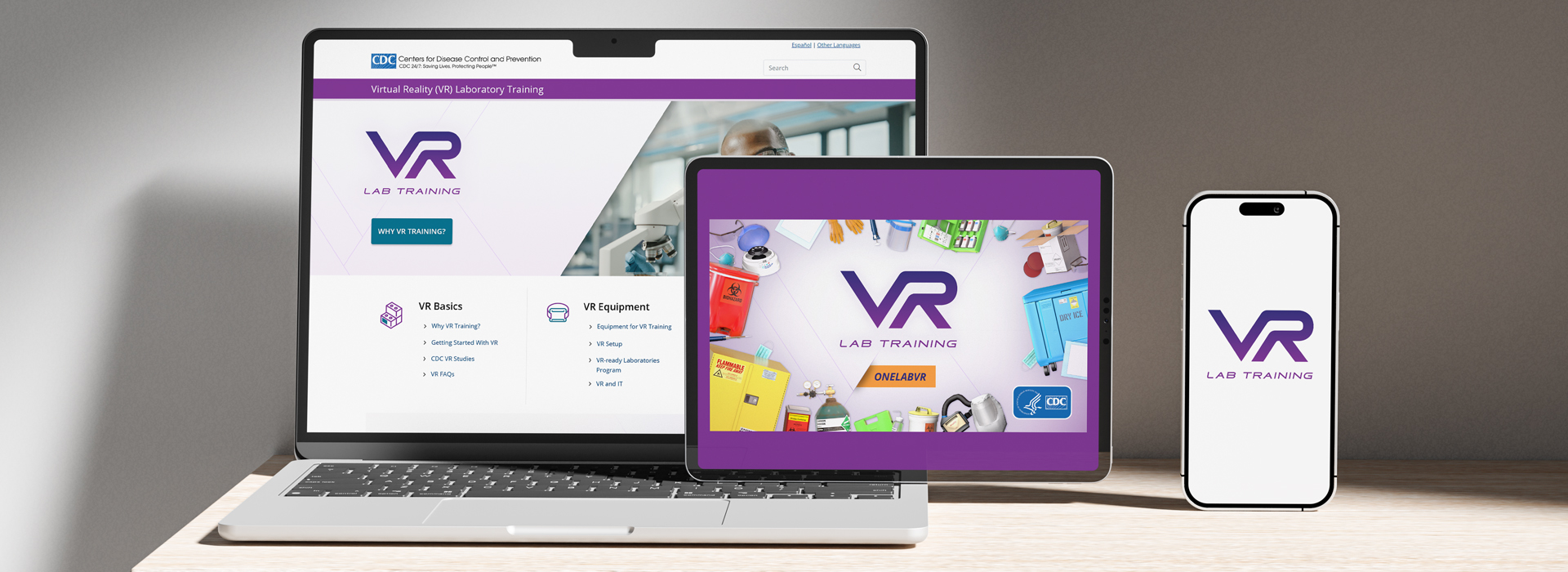
As the immersive program scaled beyond pilot, I led the development of a dedicated sub-brand identity system to support its growth and positioning.
The identity was designed to signal innovation while maintaining alignment with CDC’s institutional brand. This included a flexible logo system, color and typography frameworks, motion language, and UI treatments across in-headset environments, web platforms, and external communications.
We also developed custom storefront branding for CDC’s presence on the Meta Quest platform and redesigned the program’s web experience to align UX, messaging, and visual identity.
The result was a cohesive system that strengthened internal credibility, improved communication consistency, and positioned immersive learning as a forward-facing component of CDC’s training ecosystem.
Impact
The combination of validated training outcomes and a cohesive brand system transformed immersive learning from an experimental pilot into a sustained, enterprise-supported capability.
This work established the foundation for larger-scale platforms like OneLabVR, enabling ongoing investment, expansion, and adoption across CDC’s global laboratory network.
 PREV
PREV
